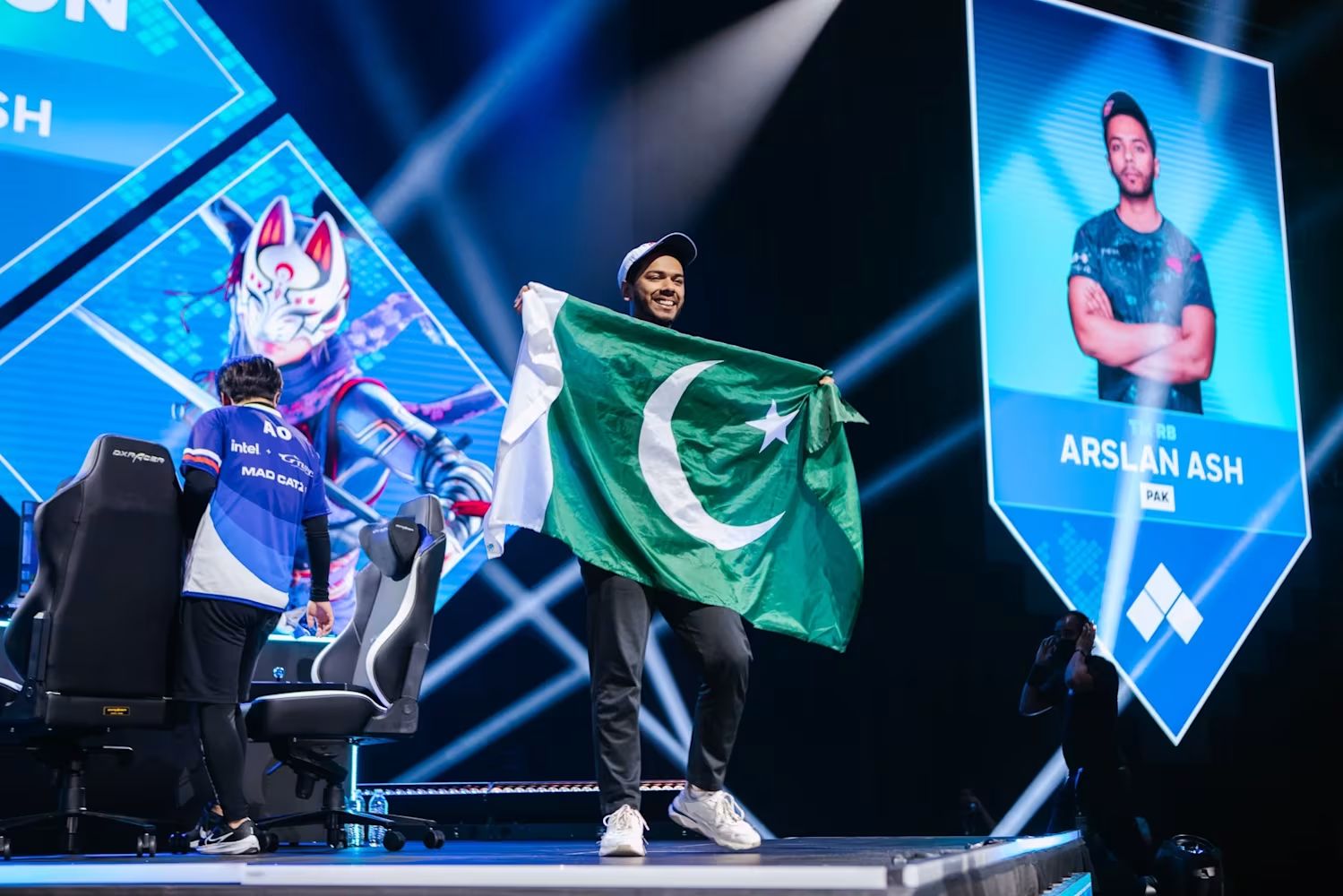
Over the past few years, Pakistan has emerged as an unlikely powerhouse in the global esports arena, surprising both fans and industry insiders. Once considered a country with limited digital infrastructure and modest gaming exposure, Pakistan is now producing some of the most skilled and competitive esports players in the world.
The turning point came when international tournaments started recognizing South Asian talent and providing online qualifiers. Players from Pakistan, previously sidelined due to connectivity issues and lack of sponsorship, began participating — and winning. One of the most significant milestones was the global recognition of Arslan “Ash” Siddique, who became a two-time EVO champion in Tekken. His victories not only brought Pakistan into the spotlight but also inspired a new generation of gamers who saw esports as a serious profession rather than a hobby.
Following Arslan’s success, local gaming communities organized their own tournaments, some of which were streamed internationally. This fostered healthy competition, improved player skills, and created a grassroots esports ecosystem. Titles like PUBG Mobile, Valorant, and Dota 2 quickly gained popularity, with Pakistani teams regularly featuring in regional top rankings.
Government and private sector involvement further accelerated growth. Internet service providers improved bandwidth and latency, making competitive online gaming more viable. Several telecom companies even launched dedicated gaming platforms and sponsored local tournaments. Universities began hosting esports events, giving students opportunities to compete and network.
What sets Pakistani esports players apart is their resilience and disciplined practice routines. Many play under challenging conditions, often using mid-range PCs or gaming consoles in small cafés, yet their hunger for victory drives them to master the games. International analysts have frequently commented on Pakistan’s unique “Tekken style,” which blends aggressive gameplay with unpredictable tactics — a style now studied worldwide.
The financial prospects of esports have also improved dramatically. Prize pools for regional tournaments have crossed six-figure sums, and sponsorships from brands such as Red Bull, Jazz, and PTCL are pouring in. Some players have secured lucrative streaming deals, building personal brands and attracting massive fan bases on YouTube and Twitch.
Another factor behind this rise is the youth demographic. With more than 60% of Pakistan’s population under the age of 30, the country has a massive pool of young gamers who are tech-savvy and eager to compete. Gaming cafés and esports arenas are opening in major cities, and several startups are working on matchmaking platforms that connect local talent with international teams.
While challenges remain — such as limited access to top-tier gaming hardware and relatively few international events hosted in Pakistan — the momentum is undeniable. Esports is no longer just entertainment in Pakistan; it is a viable career path and a source of national pride.
If current trends continue, Pakistan could soon be regarded not just as a rising star but as a dominant force shaping the future of global esports.