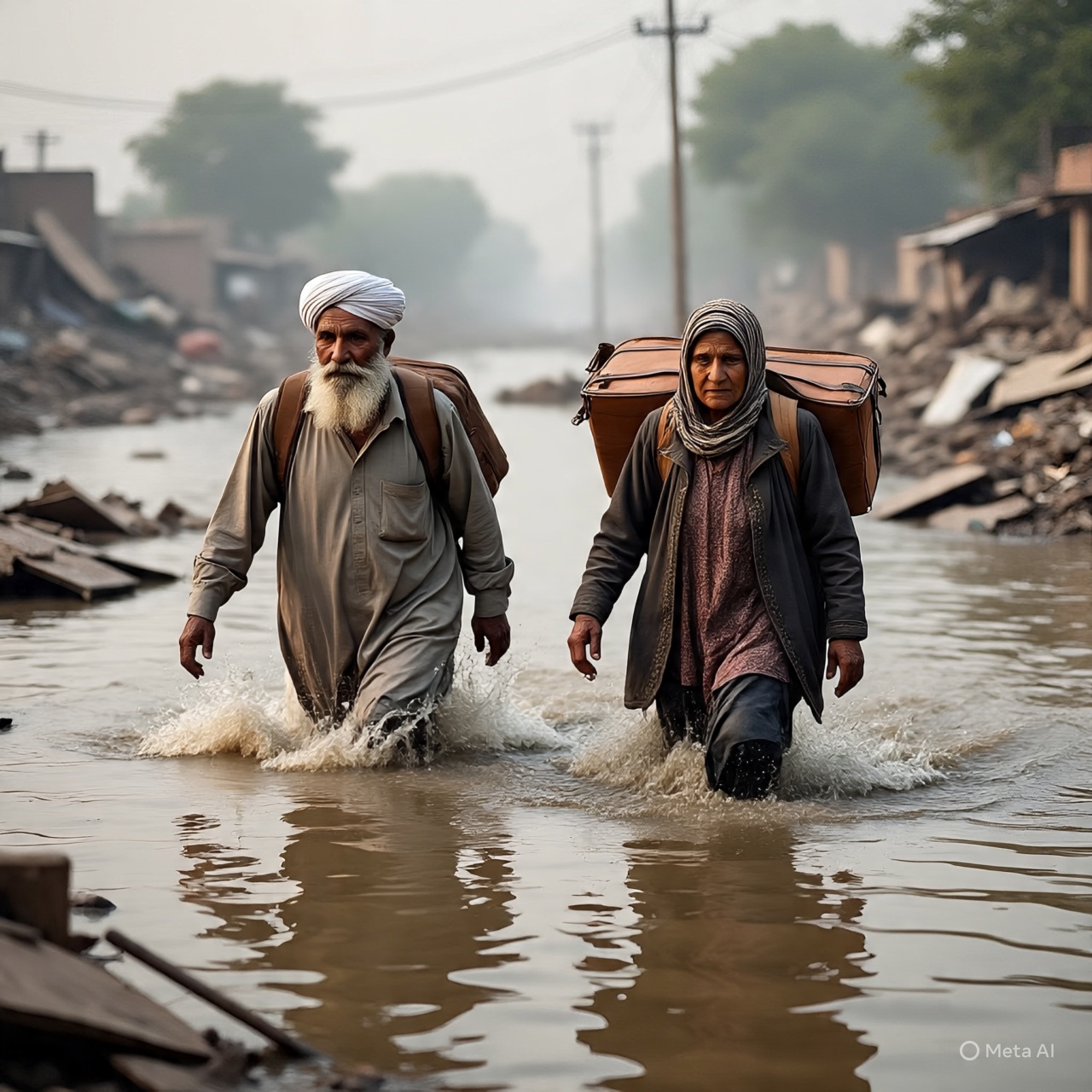
In recent weeks, Pakistan has been grappling with devastating floods that have affected large swathes of the country. These floods, which began around June and have persisted through the monsoon season, have left many areas submerged, caused serious damage to infrastructure, disrupted lives, and exposed the fragility of disaster preparedness in a changing climate. Experts and authorities have now warned of yet more heavy rainfall: the Pakistan Meteorological Department (PMD) forecasts rain from 16–19 September (especially over the upper catchments of major rivers), driven by a fresh westerly wave.
What is expected between 16-19 September
-
Rainfall is predicted particularly over the upper catchment areas of Pakistan’s major rivers, which feed into flood-prone regions downstream.
-
The PMD notes that this fresh westerly wave could bring further rain, though it also cautions that “no major weather system” is expected during that period.
-
Regions expected to see especially heavy or sustained rainfall include mountainous and upland areas in Khyber Pakhtunkhwa, Gilgit-Baltistan, and the upper reaches of river basins.
-
There are additional hazards. In northern districts, the risk of glacier lake outburst floods (GLOFs) has also been emphasised, given ongoing precipitation and melting.
Ongoing Flood Crisis
This forecast comes in the midst of an already severe flood crisis:
- Since late June, the monsoon rains have triggered flash floods and riverine flooding over large areas — including Punjab, Khyber Pakhtunkhwa, Sindh, Balochistan, and Azad Jammu & Kashmir.
- Tens of thousands of people have been displaced, many homes and roads destroyed, and agricultural land badly affected.
- Rivers and barrages like Guddu and Sukkur are experiencing high inflows and some risk of overtopping or flow-related damage downstream.
Is this because of Global Climate Change?
To understand why these events are not “just bad luck,” one must consider how climate change is intensifying the risks:
-
Increased Intensity of Rainfall Events
Scientists have shown that human-induced global warming has intensified recent monsoon rains in Pakistan by about 10-15 percent, compared to what would be expected without warming. This extra moisture in the atmosphere leads to heavier downpours over short periods. -
Changing Rainfall Patterns
The monsoon season’s variability is increasing: more frequent episodes of extremely heavy rainfall, interspersed with dry spells. Upland and catchment areas are seeing more intense rainfall, which rapidly runs off rather than being absorbed, contributing both to flash flooding and downstream riverine flooding. -
Glacial Melt & High Mountain Hazards
As temperatures rise, glaciers in the Himalayas, Karakoram, and Hindu Kush are melting more rapidly. Combined with heavy rainfall, this increases risk of overflow, glacier lake breaches, and accelerates the flow in rivers even before the main flood surges arrive. -
Vulnerability & Exposure
Even without extreme weather, many communities live in flood-prone zones, in fragile housing, with limited infrastructure for flood control or drainage. Urbanization without proper planning, loss of forests and wetlands which naturally absorb water, and under-resourced disaster management amplify the damage. Countries like Pakistan contribute relatively little to global greenhouse gas emissions, yet suffer disproportionately from such climate impacts.
What Needs to be Done
Given these predictions for mid-September, plus what has already occurred, Pakistan faces several urgent tasks:
-
Enhanced Early Warning & Community Awareness so that people living downstream from upper catchments are alert and prepared.
-
Strengthening Infrastructure: Improving the capacity of barrages, embankments, and drainage systems; ensuring roads, shelters, and basic services can withstand flood stress.
-
Protection of Critical Sites especially in the mountains: monitoring glacier lakes, mapping flood paths, planning for pre-emptive evacuations in high-risk areas.
-
Longer-Term Climate Adaptation: Reforestation, wetland restoration, planning urban development away from floodplains, climate-resilient housing. Also, Pakistan will need domestic and international support for adaptation, given its limited resources.
The forecasted rains from 16-19 September arrive at a crucial and dangerous moment. Many regions are already saturated, rivers are swollen, and relief work is underway. With climate change driving more intense and frequent rainfall, the line between “normal monsoon” and “disaster” is blurring. Without aggressive action—both in the immediate response and in long-term adaptation—each rainy season may bring even greater destruction.